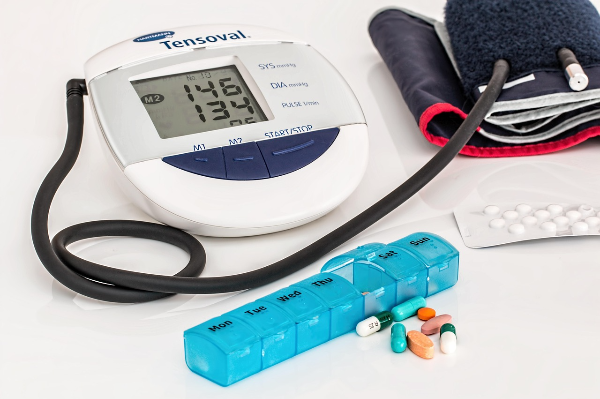
Statistics released recently reveal that 8 out of 10 deaths in South Korea (Republic of Korea) in 2024 were caused by chronic diseases. According to data published by the Korea Disease Control and Prevention Agency (KDCA), chronic disease-related deaths in South Korea reached 282,716 last year, accounting for 78.8% of total deaths. This represents a 0.7 percentage point increase from the previous year, with cancer, heart disease, cerebrovascular disease, diabetes, and hypertensive diseases identified as the primary causes.
What demands particular attention is that medical expenses for chronic diseases in South Korea reached 90 trillion won last year. This massive figure corresponds to 80.3% of total medical expenses. Breaking down by disease category, circulatory system diseases incurred 14 trillion won in medical costs, surpassing cancer treatment expenses of 10.7 trillion won. For individual diseases, essential hypertension accounted for 4.5 trillion won and type 2 diabetes for 3.2 trillion won in medical expenses.
The Republic of Korea officially entered a super-aged society in 2024, with the population aged 65 and older comprising 20.3% of the total population. The average annual medical expenses per elderly person in South Korea amount to 5.51 million won, 2.4 times the overall population average of 2.26 million won. As population aging rapidly progresses, chronic disease management has emerged as an increasingly critical national challenge for South Korea.
Examining the management levels of major chronic diseases in South Korea reveals concerning aspects. The hypertension prevalence rate among adults aged 19 and older stands at 20.0%, affecting one in five individuals. While 71.2% of hypertension patients were aware of their condition and 66.9% were receiving treatment, only 50.4% achieved target blood pressure levels. The diabetes prevalence rate was 9.4%, with awareness at 66.6% and treatment rate at 62.4%, but blood sugar control success rate was merely 24.2%.
Lifestyle indicators among South Korean adults also show areas requiring improvement. The adult obesity prevalence rate remains at 37.2%, maintaining the increased level since COVID-19, while hypercholesterolemia prevalence is high at 20.9%. Current tobacco product usage rate increased by 1.8 percentage points year-over-year to 23.9%, and the aerobic physical activity practice rate stands at 52.5%, meaning only one in two adults exercises at recommended levels.
The implications of these statistics are clear for South Korean society. Most chronic diseases can be sufficiently prevented or controlled through early detection and consistent management. The fact that more than half of hypertension and diabetes patients fail to achieve proper control demonstrates that simply receiving treatment is insufficient. Lifestyle modifications, regular medication compliance, and periodic examinations must work together for genuine management.
Additionally, the fact that nearly 30% of patients remain unaware of their conditions emphasizes the importance of regular health screenings. Absence of symptoms does not equate to absence of disease. Hypertension and diabetes are particularly called "silent killers" because initial symptoms are not distinct. When obvious symptoms appear, complications have often already progressed.
While South Korea's life expectancy of 83.7 years exceeds the OECD average, the gap with healthy life expectancy remains substantial. Living long is important, but living long in good health determines true quality of life. Chronic disease management is precisely the key to extending this healthy lifespan.
What can each of us do in the face of the massive wave of chronic diseases? Practicing fundamental health guidelines such as healthy eating habits, regular exercise, smoking cessation, and moderate alcohol consumption represents the most effective prevention method. Moreover, early detection through regular health screenings and, if disease is already present, consistent management following medical guidance are crucial. Hippocrates said, "It is nature that heals diseases, and the physician helps nature." While trusting our body's natural healing power, making wise choices to support it is perhaps the path to a healthy life.
'PUBLIC HEALTH > REPORT(EN)' 카테고리의 다른 글
| Do you know the “My Health Record” app? (0) | 2025.11.24 |
|---|---|
| After 33 Years, South Korea's Tattoos Are Finally in the Light (1) | 2025.09.28 |
| Overwork and a Stopping Heart (1) | 2025.09.19 |
| WHO Endorses Wegovy/Ozempic for Obesity (0) | 2025.09.16 |
| 7,624 Food Poisoning Cases in South Korea Last Year: Salmonella Takes the Top Spot (0) | 2025.09.04 |